Hello guys, welcome to Netphantomclan! Today we’re exposing something every PUBG Mobile player has felt but rarely questions. This is “Unveiling the Dark Side of PUBG Mobile’s In-Game Economy.” Every section you’re about to hear is packed into one long, viral paragraph, so stay till the end—because once you see it, you can’t unsee it.
The Mirage of “Free-to-Play”: Your First Bill
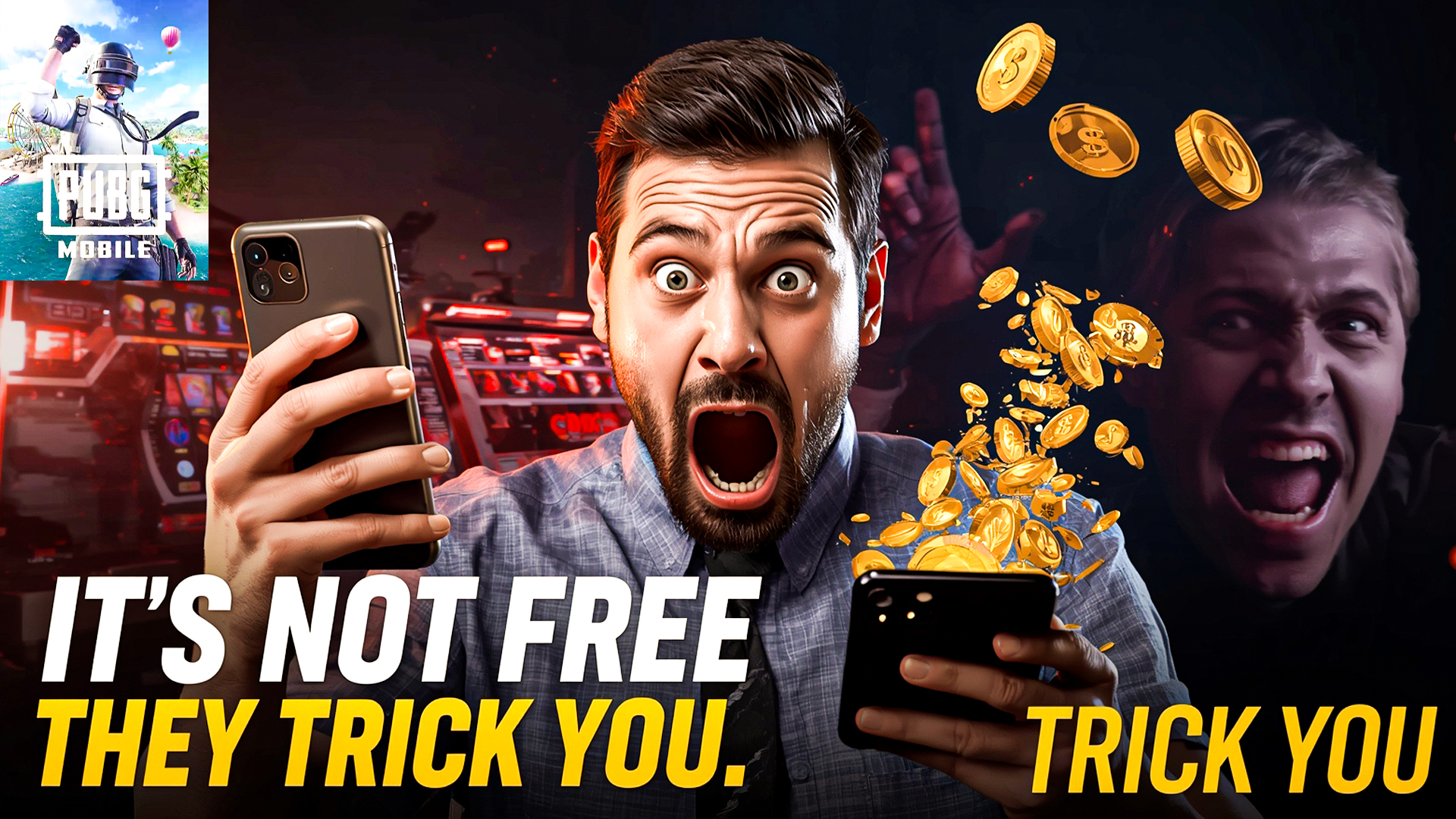
PUBG Mobile introduces itself as a free-to-play game, and that’s where the illusion begins. You download it, jump into your first match, feel the rush of survival, and for a moment, it feels like you’re getting everything without paying a single cent. But slowly, almost invisibly, the game starts nudging you—small pop-ups, flashy offers, and “limited-time” deals begin appearing right when your excitement is at its peak. The starter packs are cheap enough to feel harmless, but attractive enough to feel irresistible, loaded with rewards that seem way more valuable than their actual price. This is where spending becomes normalized. PUBG Mobile isn’t forcing you to pay; it’s training you to want to pay. The UI design, constant reminders, countdown timers, and bonus labels are all psychological nudges crafted to make spending feel like a natural part of progression rather than an optional choice. Before you realize it, the word “free” no longer means free—it just means the first bill hasn’t arrived yet.
The Escalating Ladder: From Cosmetics to Competitive Edge
At first, it’s just skins—purely cosmetic, no gameplay advantage, nothing to worry about. But PUBG Mobile slowly flips that mindset. Rare outfits, upgraded gun skins, flashy kill effects—they don’t just change how you look, they change how you feel. Confidence goes up, perception shifts, and suddenly you believe you perform better because you look better. That’s where the gacha system comes in, turning crates into digital slot machines, feeding players the thrill of randomness and near-misses that feel painfully close to winning big. One more spin, one more crate, one more chance at that legendary item. The line between “pay-to-accelerate” and “pay-to-win” becomes blurry as certain upgrades, perks, and exclusive items make progression easier, faster, and sometimes subtly stronger. PUBG Mobile may not sell instant wins, but it absolutely sells shortcuts—and those shortcuts slowly reshape what “fair play” really means.
The Unseen Costs: Time, Pressure, and Addiction
Beyond money, PUBG Mobile extracts something even more valuable—your time and mental energy. Daily logins, battle passes, seasonal missions, and timed events are all engineered around FOMO, the fear of missing out. Miss a day, and you lose progress. Skip a season, and exclusive rewards vanish forever. This creates pressure, turning a game into an obligation. Add social systems like clans, leaderboards, and lobby flexing, and suddenly spending becomes tied to social status. Nobody wants to be the weakest-looking player in the squad. That pressure fuels the “just one more” mindset—one more crate, one more upgrade, one more purchase—driven by dopamine hits and the sunk cost fallacy that convinces you stopping now would waste everything you’ve already spent. This loop isn’t accidental; it’s designed to keep players emotionally and financially invested far longer than they intended.
Developer Tactics: The Art of Continuous Monetization
PUBG Mobile’s monetization engine never sleeps. Every new season reinvents desire with fresh themes, new cosmetics, and exclusive content that instantly makes last season’s rewards feel outdated. Behind the scenes, player data is constantly analyzed—when you spend, how much you spend, what offers convert best, and which players are most likely to open their wallets again. Prices, bundles, and event timings are optimized for maximum revenue, not maximum fun. And then there’s the “whale” strategy, where a small percentage of players who spend massive amounts are quietly prioritized, shaping the economy in ways that affect everyone else. Casual players may never spend like whales, but the entire system is balanced around keeping those big spenders happy—often at the cost of fairness and long-term player well-being.
Breaking the Cycle: Empowering Players and Looking Forward
The first step to escaping this system is awareness. Recognizing red flags—urgency, pressure, guilt, and emotional spending—gives players back control. Setting limits, ignoring artificial timers, and remembering that skill matters more than skins can break the cycle. But real change doesn’t come from one player alone; it comes from the community. Talking openly about exploitative monetization, sharing experiences, and pushing for ethical design forces developers to listen. Free-to-play doesn’t have to mean predatory. There is a future where games thrive financially while respecting players’ time, money, and mental health—a future where fun comes before monetization, not after it.
So the next time PUBG Mobile flashes a “LIMITED TIME OFFER” on your screen, stop and ask yourself:
Are you playing PUBG… or is PUBG playing you? If this opened your eyes, smash that like button, subscribe for more real talk gaming content, and comment below what’s the most you’ve ever spent in PUBG Mobile?
Watch the Full Video Below